Traversing the Pale Peaks: A Dolomite High Ridge Walk
Tracing ancient pastoral lines and limestone precipices between Cortina d'Ampezzo and Alta Badia.
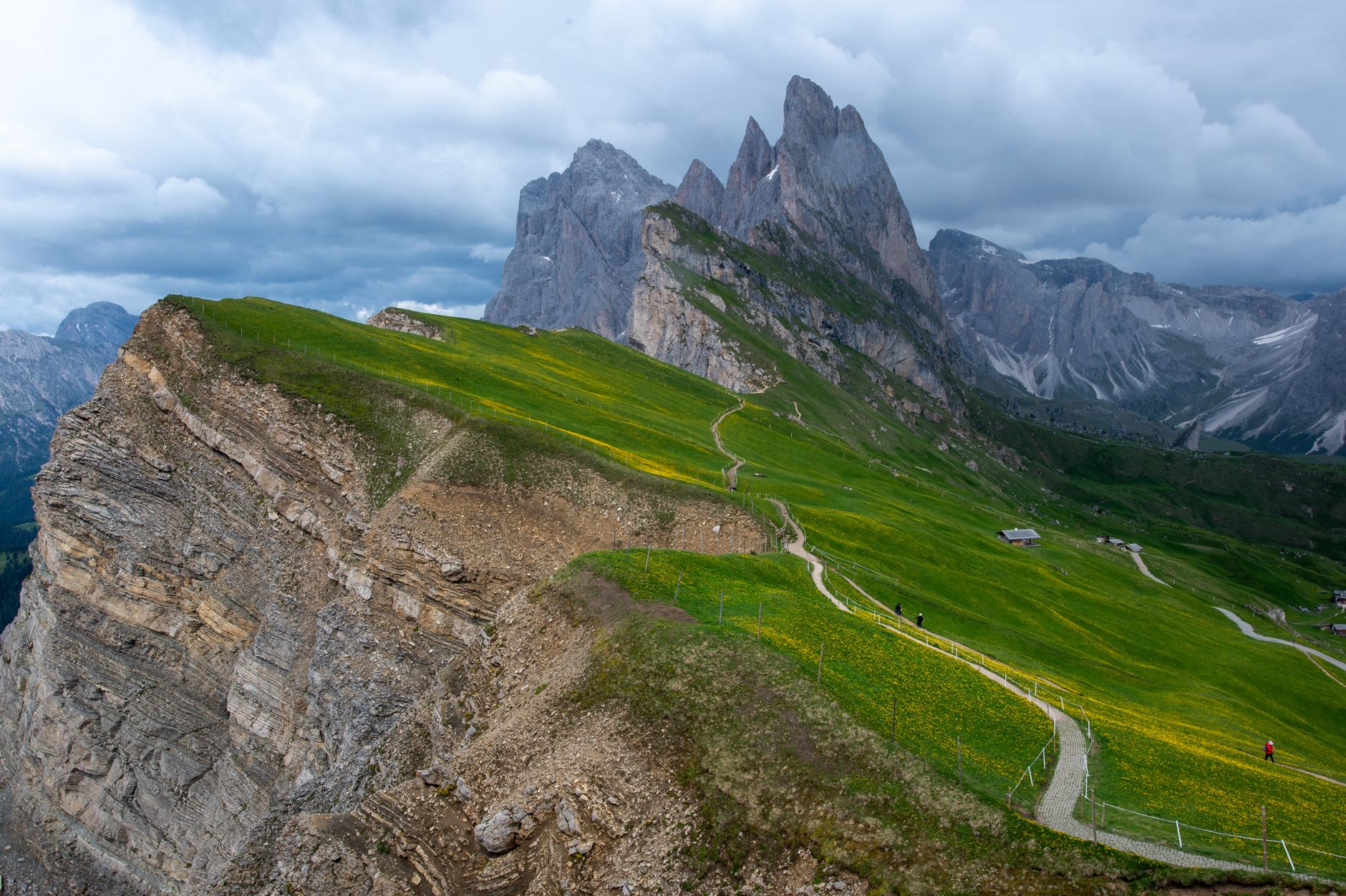
The Dolomites are not composed of common granite. They are fossilized coral atolls, ancient marine ecosystems lifted eight thousand feet into European skies during continental collision. When sunset hits the scree slopes of the Fanes-Sennes plateau, the limestone glows with an incandescent rose tint known locally as enrosadira.
The High Stone Refugio Culture
Unlike commercial ski hotels, high refugios along the Alta Via trails preserve the rustic customs of Ladin herdsmen. Stone walls two feet thick keep howling northern winds at bay, while communal woodstoves roast wild polenta, mountain herbs, and raw sheep cheeses.
We spent four consecutive days walking without descending below the two-thousand-meter threshold. At this elevation, silence is absolute except for the metallic screech of choughs riding thermal drafts off vertical towers.
"To walk along pale ridges is to feel human triviality against the weight of twenty million years of geological uplift."
Practical Field Logistics
Those seeking solitude should avoid August entirely. Late September offers cold, crystalline mornings, empty refugio bunkrooms, and golden larch trees turning brilliant against white stone faces.
- Recommended Route: Alta Via 1 starting at Lago di Braies towards Belluno.
- Pacing: 12 to 16 kilometers per day allowing ample time for sketching and topographical survey.
- Footwear: Stiff-shanked vibram mountaineering boots due to sharp limestone shards.
111111 Alpine Correspondent
Dispatched from South Tyrol Bureau